Give Shenyang one or two days
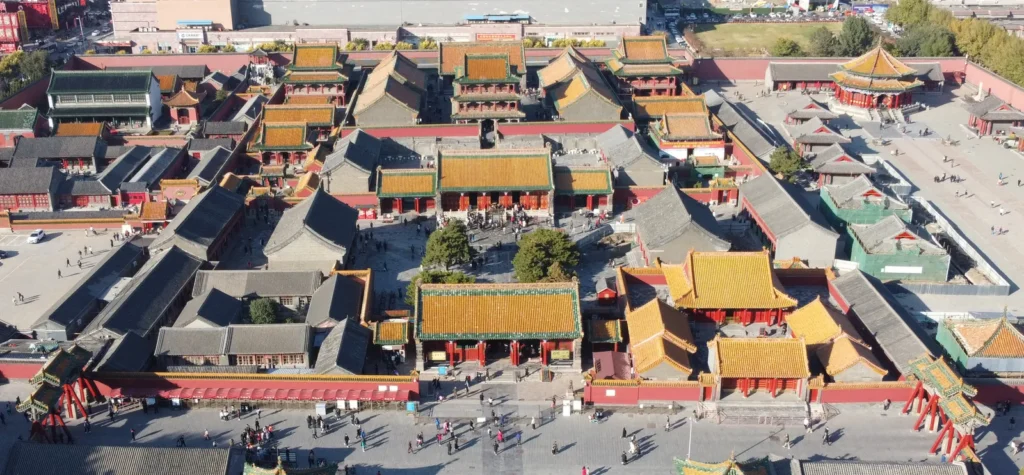
Photo: Techyan / Wikimedia Commons / CC BY-SA 4.0.
.jpg)
For a first visit, give Shenyang one or two days. One day can hold the early Qing center and one later layer of the city’s history without collecting every museum on the map. Two days makes sense when you want another major history site, one of the imperial tombs, a slower look at the city, or industrial history. Not every traveler needs the second day.
Shenyang becomes clearer when you read a few historical layers in order rather than chasing a long attraction list. The palace is the anchor. Everything else should earn its hours.
Start with Shenyang Imperial Palace
Start with Shenyang Imperial Palace, also known as Mukden Palace. UNESCO lists it within the World Heritage property Imperial Palaces of the Ming and Qing Dynasties in Beijing and Shenyang. The surviving palace complex includes buildings constructed between 1625–26 and 1783. Its earliest buildings belong to the northeastern political center established by the rulers who founded the Qing dynasty before Qing rule moved its principal capital to Beijing. After that move, Shenyang remained a secondary capital, and the palace continued in imperial use with later additions.
Do not visit it expecting a smaller version of Beijing’s Forbidden City. Beijing’s palace is a Ming imperial complex later used by the Qing. Shenyang’s palace preserves an earlier stage of Qing imperial history in a different architectural context, combining Manchu traditions with Han and Mongolian architectural influences. Its value is that difference, not a comparison of size.
Keep the palace and the old center together
The palace sits in Shenyang’s historic central area. After the visit, stay in the center rather than immediately chasing another landmark across town. Zhongjie, the Middle Street pedestrian area nearby, can show commercial Shenyang and ordinary street life around the historic core.
Zhongjie does not need to become a separate half-day attraction. Use it as texture after the palace: a walk, a meal, a sense of the city that now surrounds the early Qing center. Do not turn it into a shopping checklist.
Add one later layer of Shenyang’s history
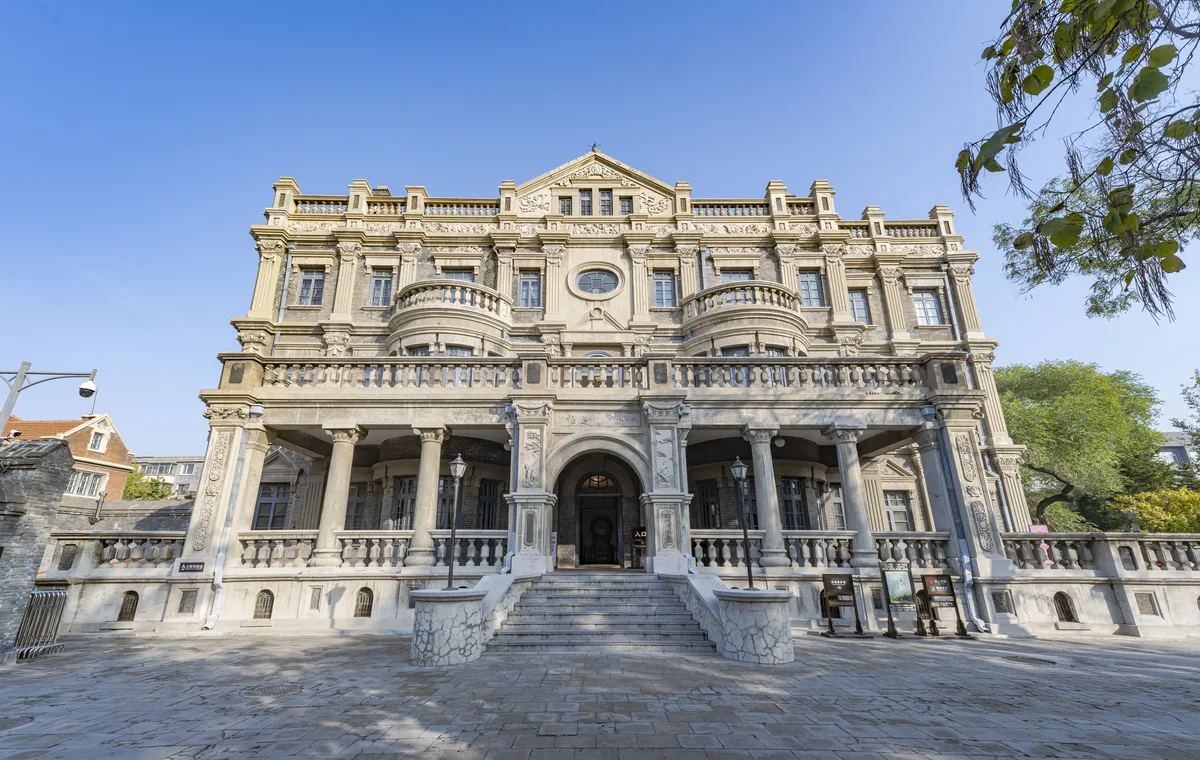
Close to the palace on the map, Zhang’s Mansion — the former residence associated with Zhang Zuolin and Zhang Xueliang — belongs to a much later period. Construction of the complex began in the early twentieth century. The palace and the mansion sit near each other geographically, but they record very different chapters of the city.
Seeing both can make Shenyang’s historical layers easier to read. You do not need a full political biography of either Zhang to use the site this way. Keep the visit as contrast: early Qing court architecture, then a Republican-era power residence in the same central area.
.jpg)
Treat the September 18th History Museum as a deliberate visit
The September 18th History Museum deals with the September 18 Incident of 1931 and the beginning of Japan’s occupation of Northeast China. It is a serious historical museum, not a casual stop between shops.
The museum sits outside the compact palace and Zhang’s Mansion area. If this period of history matters to your visit, give it its own block of time. Do not add it simply because an hour looks empty on the map.
The imperial tombs are another decision
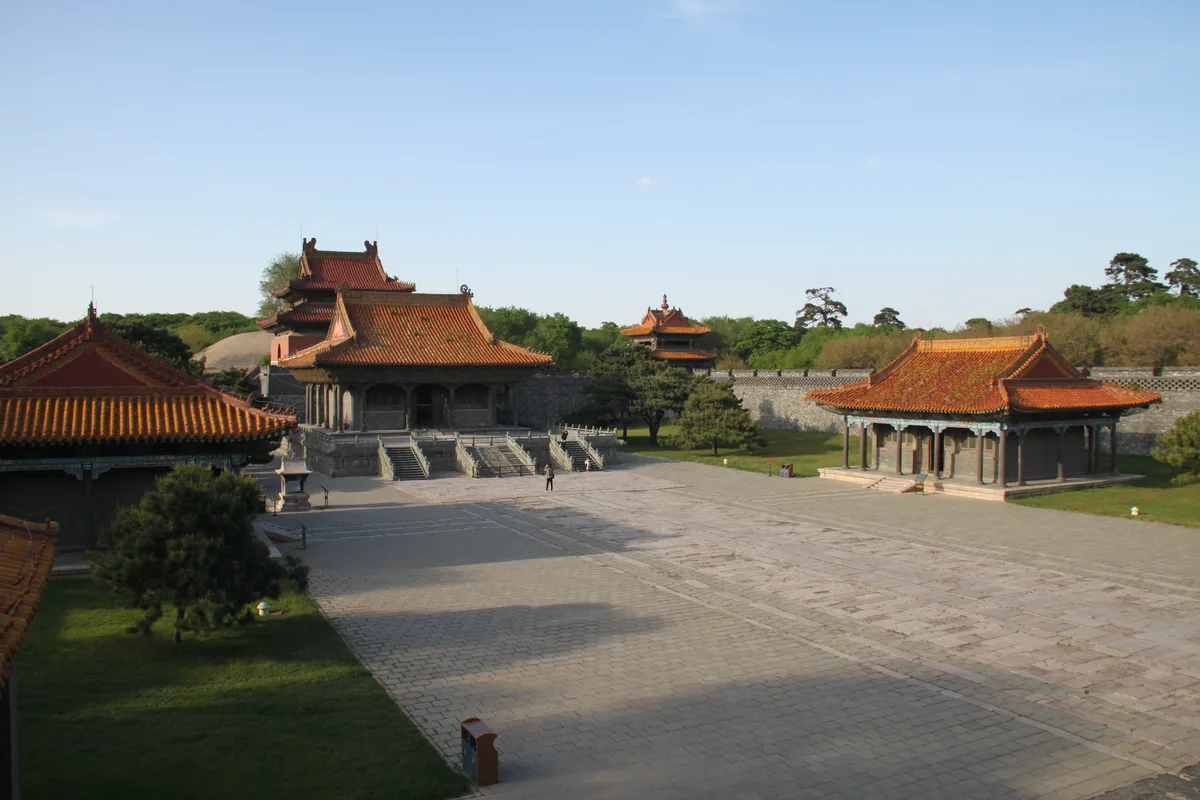
Fuling Tomb and Zhaoling Tomb, east and north of the center, belong to early Qing imperial history in Shenyang. Both are UNESCO-listed as part of the separate World Heritage property Imperial Tombs of the Ming and Qing Dynasties, not the palace property above. They take additional time away from the palace-centered visit. They are not another short walk from Zhongjie.
If early Qing history is the reason you came, one imperial tomb can justify the second day. You do not need both on a short first visit. Treat the tombs as a separate decision from the palace, not as a required extension of the same afternoon.
_78.jpg)
Do not turn the first visit into a history checklist
On one day, keep the shape simple: Shenyang Imperial Palace, time in the historic center around Zhongjie, and one later layer such as Zhang’s Mansion. On a second day, choose one reason: the September 18th History Museum, one imperial tomb, industrial history, or a slower city day. Do not force all of them into two days.
For a short first visit, Shenyang works best when the palace is the anchor and one later chapter explains how the city changed around it. A longer list will not make the history clearer.