Start with the days you can actually use
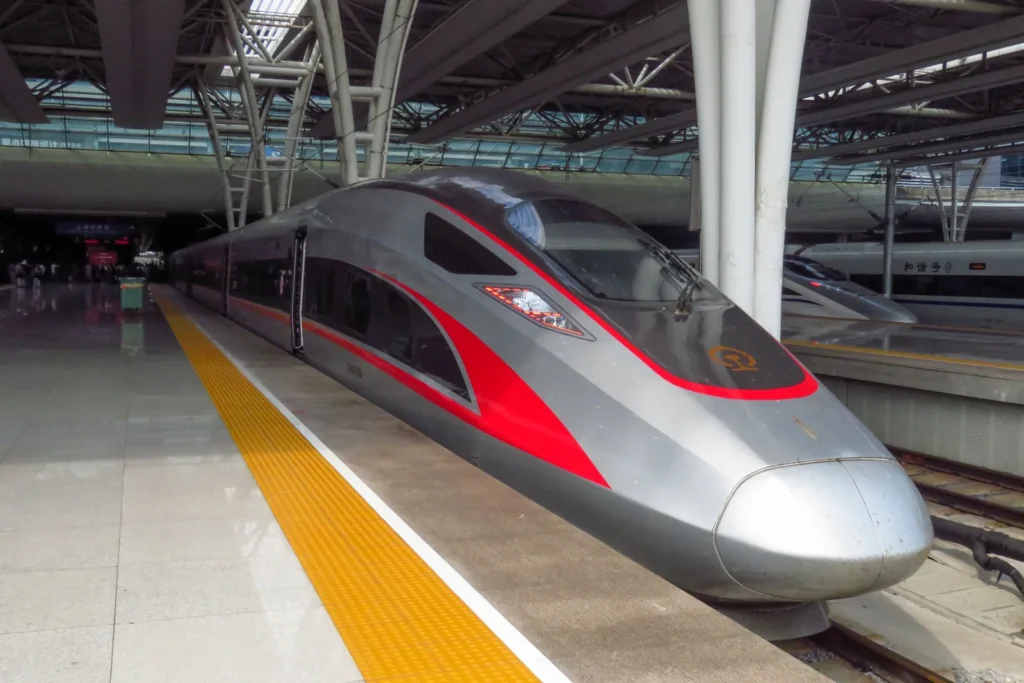
Photo: N509FZ / Wikimedia Commons / CC BY-SA 4.0.
.jpg)
Ten days in China is not necessarily ten days of China. The number on the ticket is a calendar. Arrival, settling in, moving between places, and the flight home all take part of it.
Start by separating calendar days from the time you can actually use. An arrival day may leave only an afternoon. A transfer may leave only the hours after check-in. Neither has to be wasted, but neither should automatically be counted as a full sightseeing day. That is how overplanning starts: a ten-day trip is asked to behave like ten full city days.
Five days is a focused trip
Five days is a real trip. It is not a failed longer one. It works when you choose one main experience, or one tightly connected part of the country, and leave the rest for another visit.
That might be Beijing on its own. A first look there already asks for about three or four days, because the historic center and a Great Wall day do not share a morning. It might be Shanghai with a nearby, directly connected addition such as Hangzhou. It might be Chengdu as a single stay. These are illustrations, not the only valid trips.
Five days stops working when it is asked to be a national tour squeezed into a long weekend. One piece of China, done on purpose, is the trip those days can hold.
Seven days gives you a trip, not the whole country
A week is enough for a meaningful first visit. It still rewards restraint. The difference is between seven days on one coherent route and seven days spent collecting famous city names.
A coherent week might be Beijing and Shanghai, if you already know you want both kinds of first days and can still give each city its shape. It might be Shanghai and Hangzhou, kept in the same part of the country. It might be one strong base and one excursion, with the other days left in that place. Which of Beijing or Shanghai belongs in the trip at all is a separate choice, in Beijing or Shanghai.
None of those is the default route. A week does not become a better trip because a third famous city was squeezed in. The names fit on a map more easily than they fit in the days.
Ten days changes the trip more than it changes the list
The usual answer to ten days is to add another city. That is one use of the time. It is not the first one.
The extra days can buy a slower stay in a major city, a full excursion that is not glued to something else, a transfer that does not have to happen at the edge of the day, or a first evening that is not already aimed at a train. They can also buy recovery after a long flight, which is part of the trip whether or not it appears in the plan.
More days do not have to mean more cities. With ten days, pace becomes easier to protect. It is not a perfect length, and it is not the length everyone should aim for.
Two weeks gives you room to make choices
Two weeks is not an ideal length. It is a larger budget. With it, a first trip can more realistically hold different kinds of China: a major historic city, a modern city, and one other regional stay, without every connection deciding the shape.
The gain is not that another famous name now fits. It is that transfers and the long sightseeing blocks can be counted and the days around them can still make sense. Fourteen days can still be a poor trip if those days are filled with hotels you barely sleep in. Five well-chosen days can be a better one.
More than two weeks changes the question
Past two weeks, the problem is no longer how to fit the highlights. It is which part of China you want to understand more deeply.
A longer trip can support slower regional travel, a smaller city, or two parts of the country that are deliberately different, with enough nights in each that the move between them is not the memory. It does not need a longer list of famous stops. Depth is the use of that time.
Count transfers before you add days to sightseeing
A move between cities is the whole sequence: hotel, station or airport, security and waiting, the train or flight, then the next hotel. The time on the ticket is only the middle. In a country where the famous places can sit far apart, that sequence is a real part of the day, sometimes most of it.
Whether the move should be a train or a flight sits in getting around China. How a high-speed ride actually works, once you have the ticket, sits in China high-speed rail. Count that cost before you spend the remaining days on sights.
Major excursions also consume real days
Staying in the same hotel does not mean the day is free. An excursion can take the same kind of block a city change takes.
From Beijing, the Great Wall is outside the center. The ride out, the time on the wall, and the ride back fill most of a day, which is why the Beijing guide does not attach it to the palace. In Chengdu, a panda visit is the same kind of block: the base can own the day, and the center of the city owns another. In Xiamen, Gulangyu is a ferry visit. Two days there can hold the island and one part of Xiamen; the ferry day is already full enough that a third day is for air, not for stacking.


No hotel change does not mean no time cost. Put those days on the usable side of the ledger, not on a list of easy add-ons.
Make the decision simple
If you have around five days, keep the trip deliberately narrow. One experience, or one tightly connected pair, is the honest shape.
If you have around a week, build one coherent first trip. Do not use the week as a national checklist.
If you have around ten days, use the extra time to improve the pace before you automatically add another city.
If you have around two weeks, you have room to combine different parts of China without every transfer controlling the plan. That room is the point, not a longer list.
If you have longer than that, choose depth before automatically adding another famous name.