Give Guangzhou two or three days
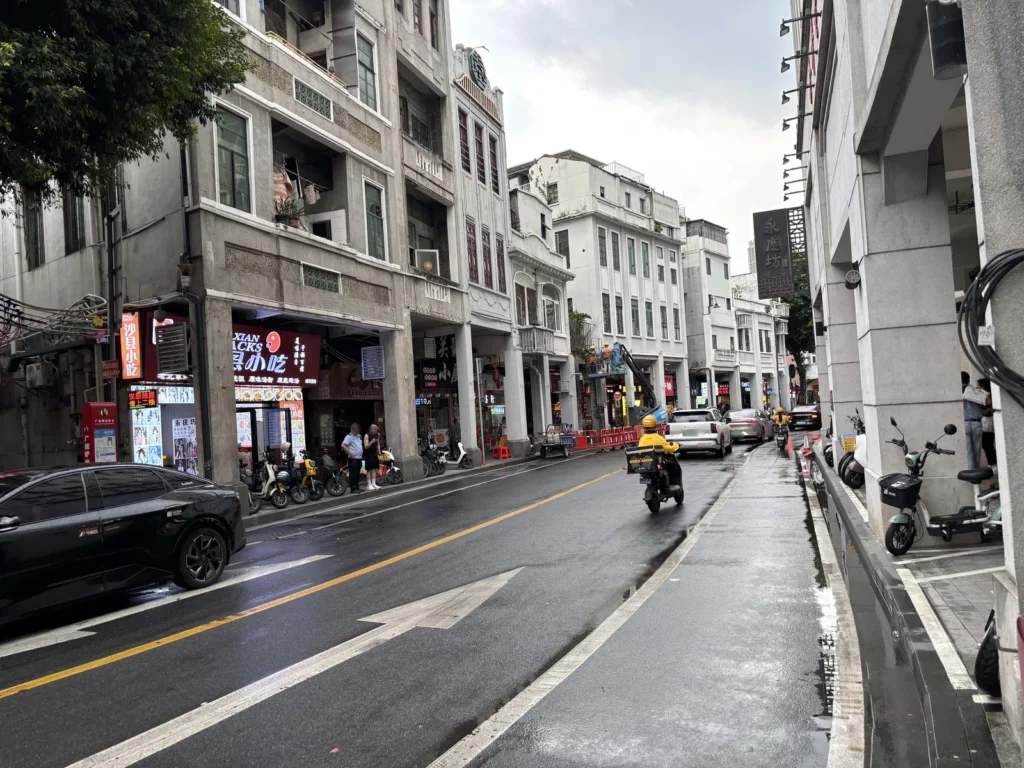
Photo: Tombus20032000 / Wikimedia Commons / CC BY-SA 4.0.

For a first visit, give Guangzhou two or three days. Two days can hold an older neighborhood, time on the river, the newer center, and meals that belong in the plan rather than between the plans. Three days is the same city with more room: a slower walk in Liwan, one extra stop, and tables that are not treated as delays. That is a strong first look. It is not a tour of the whole city.
Guangzhou does not need a longer list to fill those days. It needs time between the stops. If you have the third day, spend it staying longer in one place you liked, not on a second skyline.
Start with Liwan and old Guangzhou
Start in Liwan, the western district long associated with Xiguan. This is not all of historic Guangzhou, and it is not one renovated block. Enning Road is one of the useful spines for exploring this part of Liwan, with arcaded shophouses and older streets branching around it.
Yongqing Fang sits just north of Enning Road. It is a renovated piece of that street area, useful as a place to begin. The visit is the lanes around it: older houses, arcade streets, and ordinary neighborhood life that the redevelopment does not contain. One part of Liwan, walked properly, is a better first day than a rush through every old street in the district.
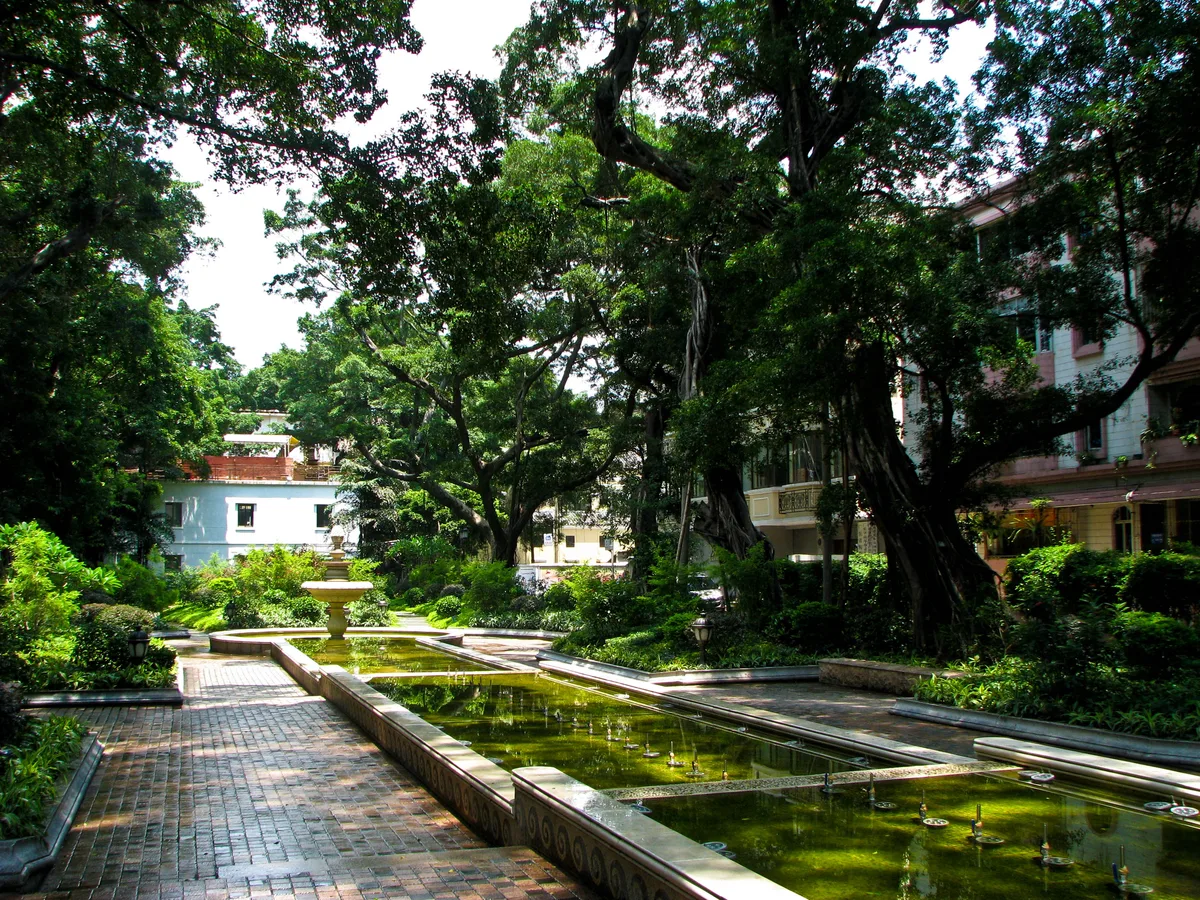
Shamian is nearby in the same district, and it is a different walk. The island has shaded avenues and older European-style buildings along the water, a trace of its years as a foreign concession. It is not a traditional Cantonese neighborhood. If you go, go for that contrast. Do not let it replace Enning Road.
.jpg)
Use the Pearl River to connect the city
The Pearl River helps make Guangzhou easier to read. Liwan sits to the west of the newer central axis around Zhujiang New Town, while Canton Tower stands across the river in Haizhu. On the north bank, that newer center meets the water at Huacheng Square, a large public square the city treats as a civic living room.
An evening on the riverfront is enough to see that relationship. A cruise is one optional way to be on the water. It is not the definition of a Guangzhou evening, and it does not need to be booked before you know which neighborhood you actually want to walk.
Liwan and Zhujiang New Town are not a casual stroll apart. The metro covers that move. DiDi is the door-to-door alternative when the station is the wrong end of the walk.
See Canton Tower as part of modern Guangzhou
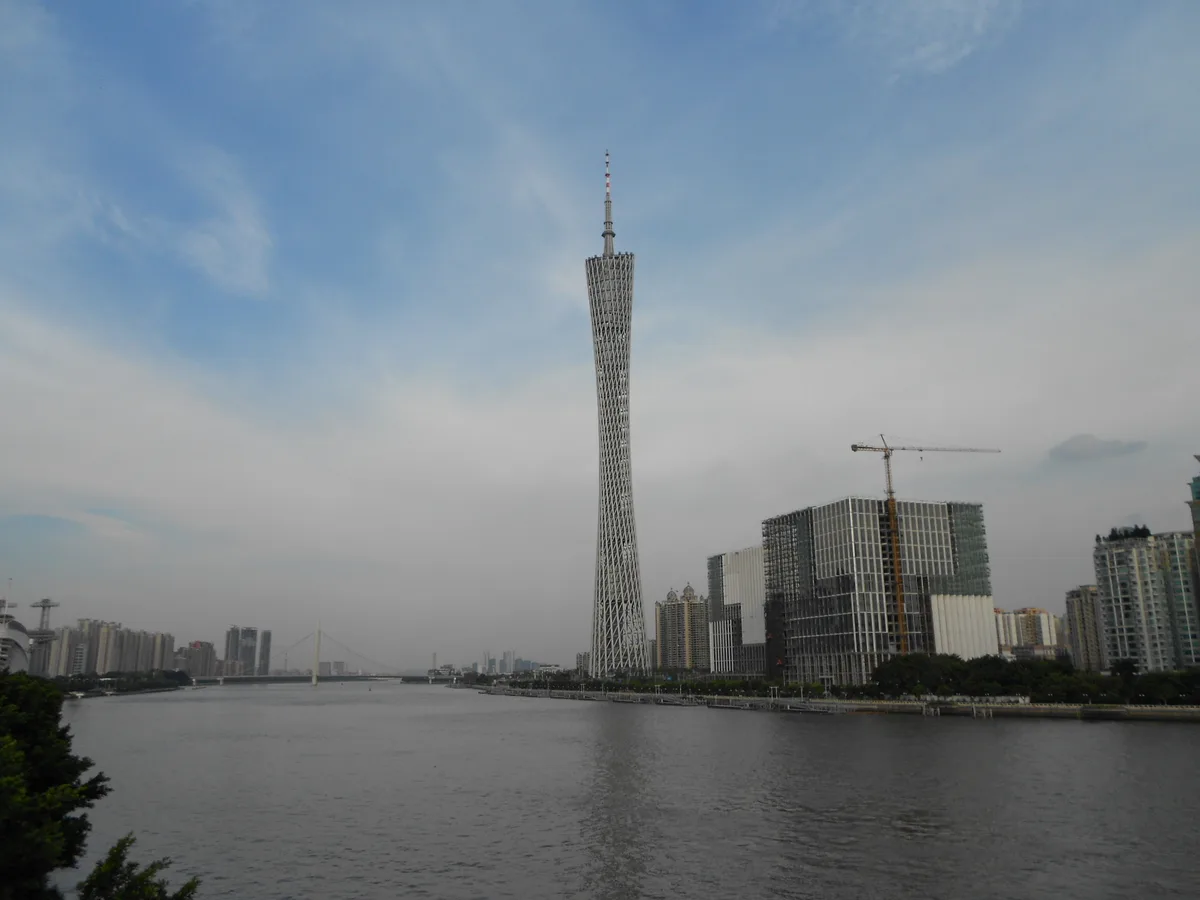
Canton Tower is the landmark most visitors already know. It stands on the south bank, on the city’s newer axis, looking toward Zhujiang New Town. Use it that way: a fixed point in the skyline that tells you which bank you are on, and which part of the city is the newer center.
The square, the riverfront, and the towers around Zhujiang New Town already give you modern Guangzhou. Go up if the view itself matters to you. Otherwise, seeing the tower from the riverfront can be enough; it does not need to become the center of the day.

Let meals take some of the schedule
In Guangzhou, a long meal is not time lost from sightseeing. Leave room for it on purpose.
Dim sum, or yum cha, works as a morning or a lunch that occupies a table. Do not squeeze it between two sights. Cantonese food is also wider than dim sum. A plate of roast meat, or a bowl of noodles, can be the other meal of the day. Two unhurried meals will do more than a schedule that tries to fit a famous dish into every gap. Choose those meals and let them anchor the hours, in the neighborhood you are already walking. Do not collect every famous dish, and do not treat a list of restaurant names as the plan.