Give Beijing three or four days
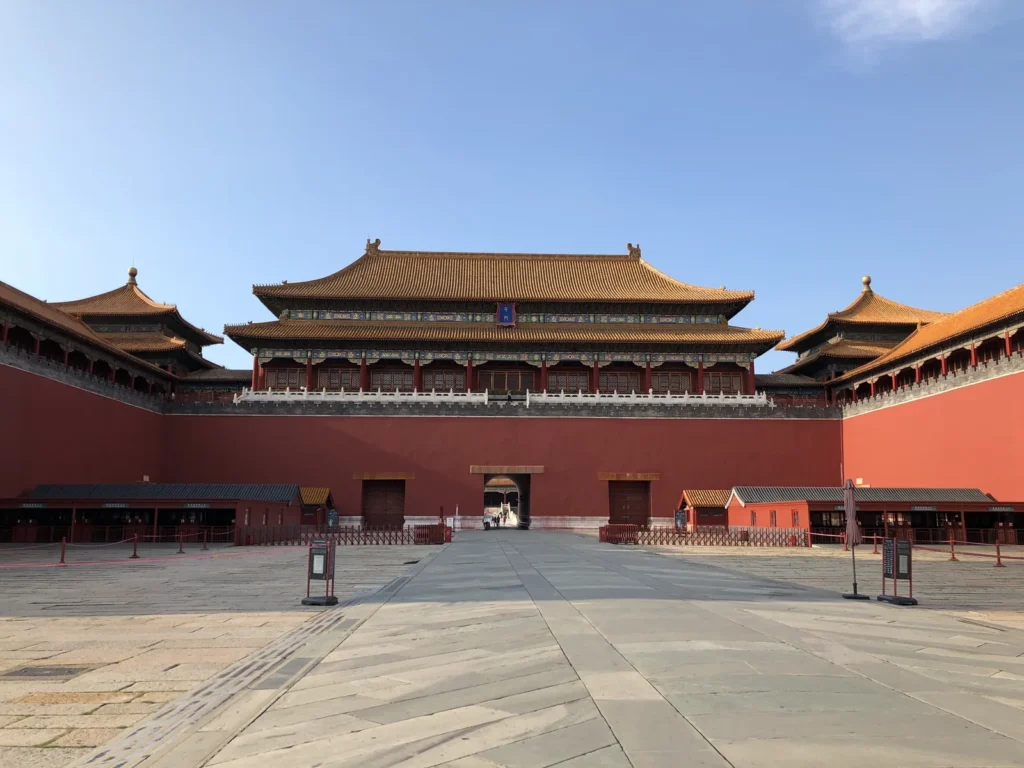
Photo: David290 / Wikimedia Commons / CC BY-SA 4.0.
_2018-08-18_170110.jpg)
For a first visit, give Beijing three or four days. That is a strong first look, not a tour of the whole city, and it should not be spent collecting every famous name.
Three days can hold the historic center, a Great Wall excursion, and one other major part of Beijing. Four days is that same shape with more room: the Summer Palace, time in a hutong, a longer meal, and a day that is not several headline sights pressed together. Beijing is easier when you stop counting attractions and start giving them time.
Keep the historic center together
Tiananmen, the Forbidden City, and Jingshan are one part of the city, not three errands. They sit on the same historic line through the center. The palace is the long visit. Tiananmen is the south side of that center. Jingshan is the hill immediately north of the palace, and the view from it looks back over the roofs. If you still have energy after the palace, Jingshan belongs to that day because it is next to the palace, not because it is another box to tick.
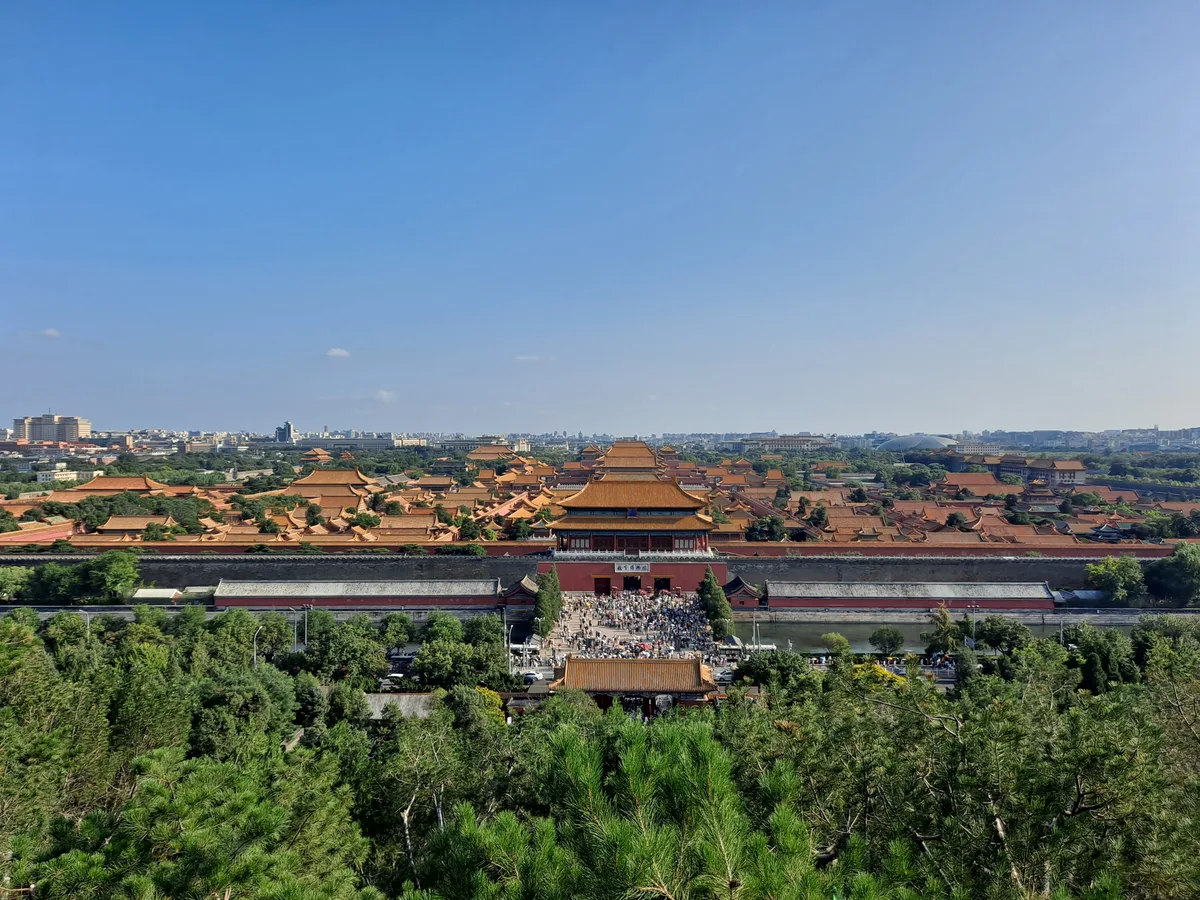

The Forbidden City, officially the Palace Museum, is a vast compound. Do not treat it as a stop you fit between unrelated sights. Farther north, the hutong streets around the Drum and Bell Towers are a neighborhood walk. They can follow the same day, or wait for a slower one. They are not a second palace, and they do not need their own morning.
Give the Great Wall its own block of time
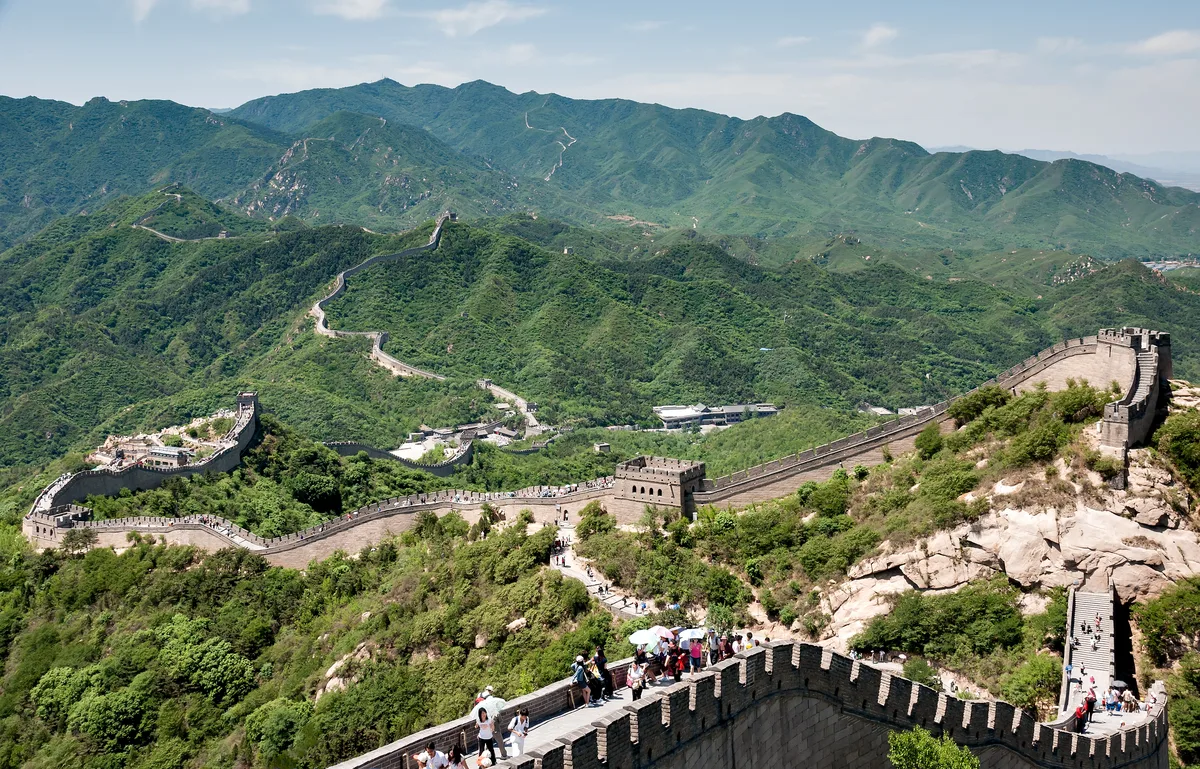
The Great Wall means leaving central Beijing. Badaling, a section many first visits use, is in Yanqing, about 60 kilometers northwest of the city. Other sections sit out in their own districts. The ride out, the time on the wall, and the ride back fill a large part of the day.
Do not attach that trip to a full day in the historic center. The palace already asks for central Beijing and a reserved entry. The wall asks for the road out of the city. Put them on different days. Which section to choose is a later decision. This one is simpler: the wall gets its own block of time, or it does not fit.

Book the hard part before filling the easy parts
Secure the visit that can cancel the day, then arrange the flexible places around it. For a first trip, that visit is the Forbidden City.
The Palace Museum does not sell same-day tickets, and it is closed on Mondays except statutory holidays. International visitors can reserve with a passport on the museum’s official English site, and entry uses the original passport from that reservation. Leave the day unset until the reservation exists.
That is not the rule for the rest of Beijing. Municipal parks such as the Summer Palace, Temple of Heaven, and Jingshan currently allow on-site ticket purchase with a passport, so they do not need to control the itinerary in the same way. They still take time. The Summer Palace is well outside the historic center, not a gap you fill after the palace. A gate that will sell you a ticket is not a sight you can rush.
Stay central, then accept that Beijing is large
Stay near the historic center. No base puts the Forbidden City, the Great Wall, and the Summer Palace outside the door. A central hotel makes the palace days simpler. It does not shorten the other two.
Wangfujing and central Dongcheng. This suits a first visit that wants the palace and Tiananmen within easy reach, with straightforward metro access. The trade-off is a busier, more commercial set of streets.
The hutongs north of the palace, toward the Drum and Bell Towers. This suits someone who wants neighborhood streets as part of the historic center. The palace is close enough to reach without crossing the city.
Qianmen, south of Tiananmen. This suits a visit weighted toward the south end of the old axis, with the Temple of Heaven farther south rather than across town. The trade-off is a busier visitor street.
From any of these, the metro handles most moves inside the city. DiDi is useful when you would rather go door to door between places the metro does not connect conveniently.