Two cities can already be the whole trip
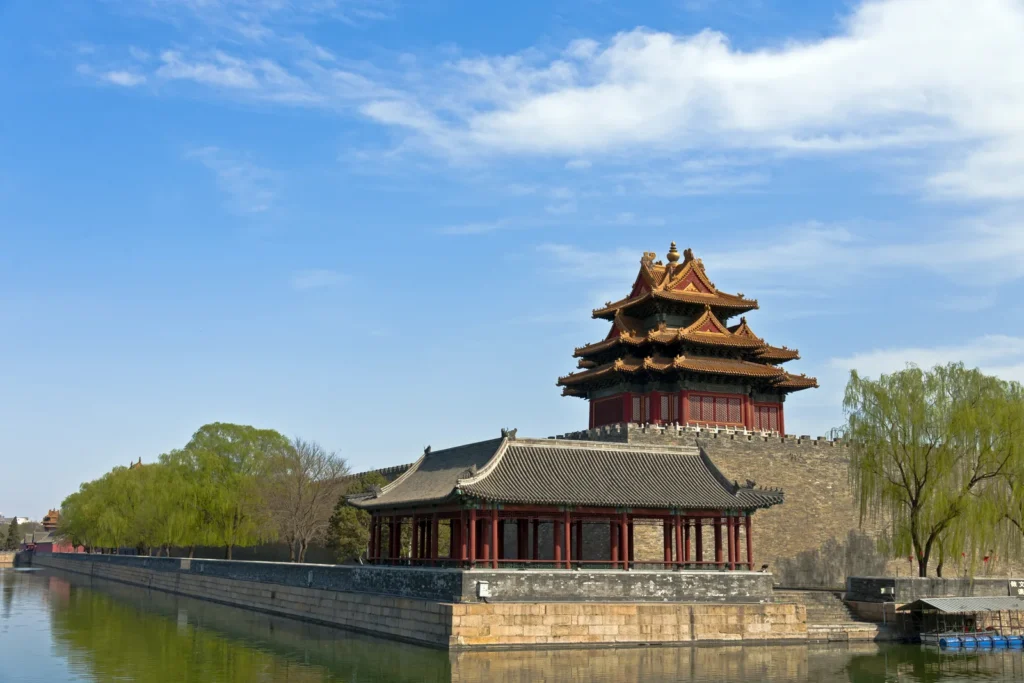
Photo: Daniel Case / Wikimedia Commons / CC BY-SA 3.0.

A first trip to China does not need three or four cities to feel complete. Beijing and Shanghai already give two different kinds of stay, and keeping the route to those two bases gives each one room to work.
Beijing supplies the destination-led days: a historic center and a Great Wall excursion that belong on different days. Shanghai supplies the city-led days: time in the city itself, rather than a chain of monuments. One major domestic transfer sits between them. That is enough structure for a real journey. A Beijing and Shanghai itinerary can stop there on purpose. Two cities are not an unfinished draft of a longer route.
Give Beijing enough room to be Beijing
The point of stopping at two bases is that Beijing does not have to shrink because another city is already waiting. The historic center and the Great Wall can stay on separate days. The Forbidden City, officially the Palace Museum, is the long visit in the center. The wall is a different day, because it means leaving central Beijing.
If the stay runs longer, that further day can hold the Summer Palace, time in a hutong, or a slower day in the center. This route does not choose among them. What it protects is the scale: Beijing can keep the shape a first look actually needs. Where to stay, which section of the wall fits, and which reservation has to come first are in the Beijing travel guide.
Let Shanghai be a stay, not the end of a checklist
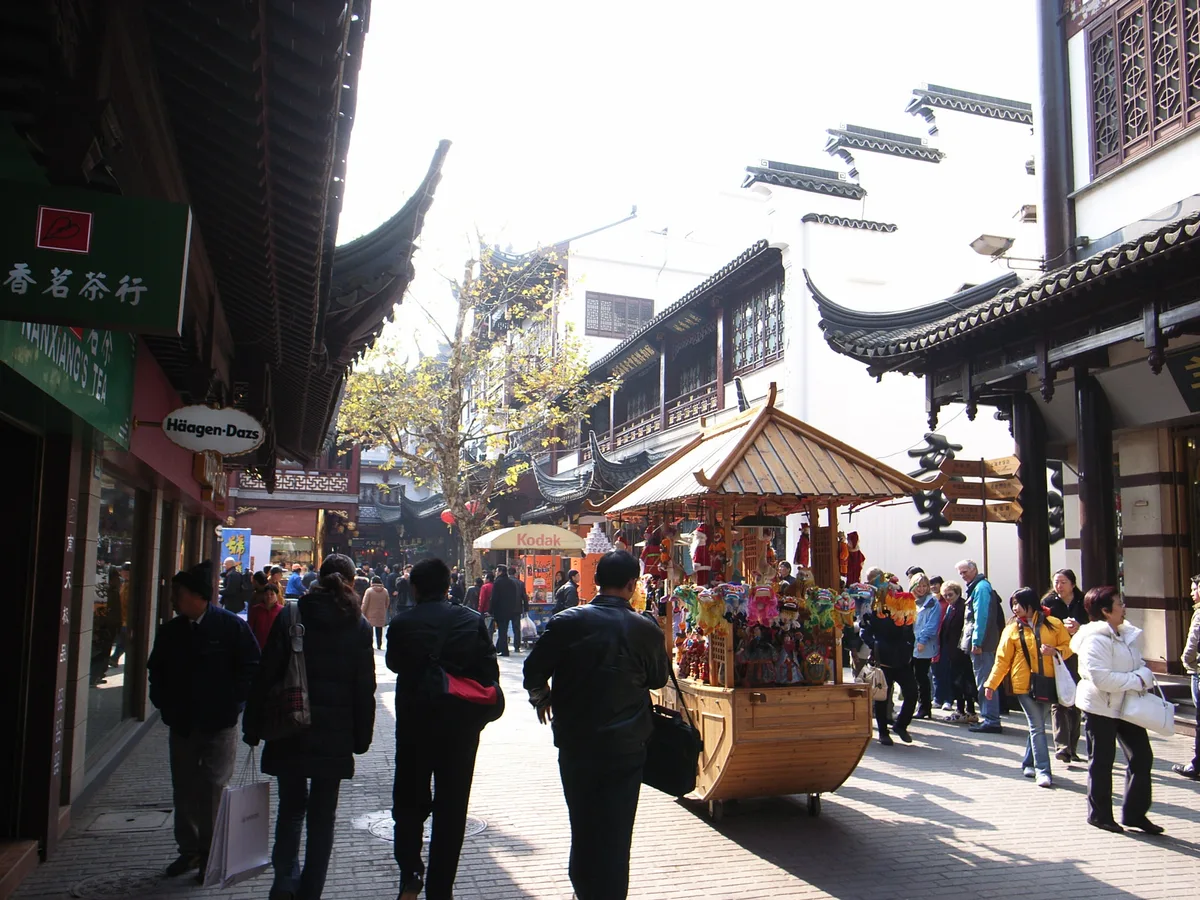

Shanghai works here as a stay, not as the last items on a list. With only one move behind you, the city can include the river, a neighborhood walk, and the old city, and still leave a meal that is not squeezed between sights and an evening that does not end at a station.
That is the room a two-base route is for. Shanghai should feel like a place you remain, not a short stop attached to the end of Beijing. Shanghai Disneyland changes the budget if the park is a real reason for coming: it sits outside the central city and asks for a day of its own. If it is not that reason, the extra time is more useful in the city. How a first stay fits together is in the Shanghai travel guide.
One major transfer keeps the route simple
This route changes base once: Beijing and Shanghai, in either direction. Direct high-speed trains run on that corridor, including between Beijing South and Shanghai Hongqiao, and flights connect the cities as well. The useful fact is not a timetable. It is that the full move happens once: hotel, station or airport, the wait, the train or flight, then the next hotel.
Doing that sequence once, rather than between every base, is what this route buys. Which mode fits the journey in front of you is in train or fly in China. Once a rail ticket exists, the ride itself is in China high-speed rail.
Use the international flights to shape the direction
Beijing then Shanghai is not the required order. Shanghai then Beijing is the same route. If the international flights allow it, look at arriving in one city and leaving from the other. The question is whether that removes a domestic return whose only job is to reach the airport you flew into.
It is not always cheaper, and it is not always on offer. If the fare or the schedule makes a return the sensible ticket, take the return. Decide from the flights you can actually buy, before the days get filled in. That step is in how to plan your first trip to China.
The extra days do not need another city
When another day or two turns up, the usual move is to add a city. These days can stay inside the bases you already have. In Beijing they can be another major destination, a slower stretch of the historic center, or recovery after you land. In Shanghai they can be a slower neighborhood, a long meal, another part of the city, or an evening with nothing else attached.
Extra days can buy depth before they buy geography. Whether a new city earns a move at all is a separate question, in how many cities you should visit in China.
Add a third place only when it has a job
A third place can still belong. It has to add something you specifically want, not another famous name with space on the calendar. Hangzhou does that when the reason is a landscape, and West Lake is the point of leaving the two-city shape. That is a different trip, in Beijing, Shanghai and Hangzhou. Chengdu does it when Sichuan, the food, or a panda visit is the reason, which is a move into another part of the country.
Neither addition is an automatic improvement. Each one creates a different route. A third city costs another transfer and makes Beijing and Shanghai smaller. The test is what you want that the two bases do not already give you.
A shorter trip may need only one of them
Beijing and Shanghai together make sense only when both can keep a basic shape after the transfer is counted. The city guides put a first look at Beijing at about three or four days, and Shanghai at about two or three. Those figures are not a sum. They also leave out the international arrival, the international departure, and the move between the cities. How calendar time differs from time you can use is in how many days you need in China.
If the only way to include both is to compress each of them, choose the city that matches the reason for the trip. That decision is in Beijing or Shanghai.
Who this route is for
This route suits someone who wants two contrasting major-city stays, the historic center and the Great Wall, Shanghai as a place to remain, a single major change of base, and room to change plans inside each city. It is a weaker fit when the trip is too short for both, when another region is the reason for coming, or when the journey you want already crosses several parts of the country.
Keep the trip at two bases when two are enough
Beijing and Shanghai do not need a third city to become a journey. The useful question is not whether another city fits on the calendar. It is whether that city adds enough to justify making these two stays smaller.